

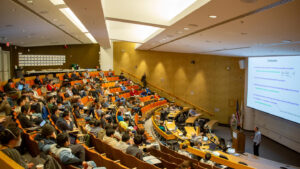
Large halls, auditoriums, and conference venues are at the heart of institutional, corporate, and cultural events. From corporate conferences and award ceremonies to college seminars and live performances, the right LED display, sound system, and stage setup can make or break the audience experience. Choosing the right setup requires a careful balance of technology, design, and functionality. In this comprehensive guide, we’ll explore everything you need to know to design a professional, scalable, and immersive hall setup.
1. Understanding the Purpose of Your Hall
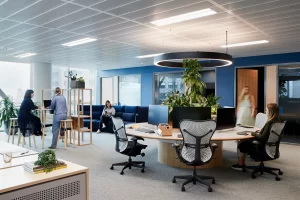
Before diving into technology, you must clearly define the primary purpose of your hall. This sets the foundation for all decisions about LED screens, sound systems, and stage design.
-
Corporate Conferences: Focus on clear visibility of presentations, smooth audio for speeches, and conferencing tools.
-
Educational Institutions: Emphasize interactive learning, live-streaming, and lecture capture.
-
Auditoriums for Performances: Prioritize high-fidelity sound, theatrical lighting, and immersive visuals.
-
Multi-purpose Halls: Require flexible stage layouts, modular AV equipment, and scalable systems.
2. Choosing the Right LED Display
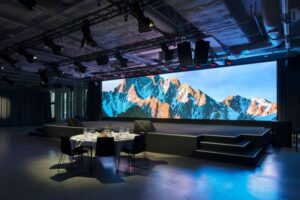
LED screens are critical for delivering visual clarity, ensuring your audience can see presentations, performances, or live video without strain.
Factors to Consider:
-
Screen Size: Ensure visibility from the last row. A simple formula:
Screen Height=Distance to Last Row6\text{Screen Height} = \frac{\text{Distance to Last Row}}{6}
This ensures everyone sees content clearly.
-
Resolution: Higher resolution (e.g., 4K) is essential for close viewing, detailed visuals, or live feeds.
-
Brightness & Contrast: LED panels should be bright enough for ambient lighting but not cause glare. A minimum brightness of 800–1200 nits is recommended for indoor auditoriums.
-
Viewing Angle: Wide viewing angles ensure content is visible from all corners of the hall.
-
Modular Design: Modular panels allow easy maintenance, expansion, or replacement in the future.
3. Designing the Sound System
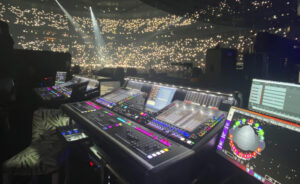
A hall’s audio setup is just as important as visuals. Poor sound can ruin even the most stunning LED setup.
Key Considerations:
-
Room Acoustics:
-
Determine if the hall has echo or reverberation issues.
-
Acoustic panels, curtains, or ceiling baffles can improve clarity.
-
-
Speaker Placement:
-
Use a distributed speaker system for even sound coverage.
-
Combine line array speakers for large halls with subwoofers for bass.
-
-
Amplifiers and Mixers: Ensure sufficient power handling and mixing capability for live events.
-
Microphones:
-
Wireless microphones are ideal for movement.
-
Lavalier mics for presenters and podiums.
-
-
Sound Zoning: Divide the hall into zones to maintain consistent audio without overpowering the front rows.
4. Stage Design and Layout
The stage is the focal point of any hall, and its design affects both audience engagement and technical efficiency.
Stage Considerations:
-
Size & Height:
-
Stage should be visible from every seat.
-
Consider risers for performers or speakers to avoid obstructed views.
-
-
Materials & Safety: Use non-slip, sturdy materials for heavy equipment and performers.
-
Lighting:
-
Stage lighting should highlight speakers or performers without causing glare on LED screens.
-
Include spotlights, floodlights, and color washes for dynamic events.
-
-
Accessibility: Ensure ramps and side access for equipment movement and performers.
-
Flexibility: Modular stages allow adjustable configurations for different events.
5. Integrating Technology and Control Systems

A professional setup is incomplete without a centralized control system that manages LED, sound, and lighting seamlessly.
Essential Integration Tools:
-
Audio-Visual Controllers: Switch between live feed, presentations, and media with ease.
-
Lighting Consoles: Control stage lights, spotlights, and ambient lighting dynamically.
-
Networked Control: Smart halls use IP-based control systems for remote monitoring and adjustments.
-
Automation:
-
Pre-program lighting and audio cues.
-
Sync LED visuals with stage performances.
-
-
Safety Features: Include emergency power backups and fire alarms integrated with AV systems.
6. Maintenance and Future Scalability
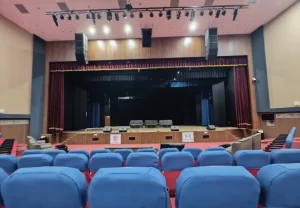
Choosing the right setup isn’t just about installation; it’s about long-term usability, maintenance, and upgrades.
Maintenance Checklist:
-
LED Screen Care: Regular cleaning and pixel testing.
-
Sound System Check: Ensure microphones, amplifiers, and speakers function optimally.
-
Lighting Maintenance: Replace worn-out bulbs and recalibrate lighting angles.
-
Software Updates: Keep AV control software updated to prevent glitches.
Scalability Considerations:
-
Modular LED panels allow future expansion.
-
Networked sound systems can add more zones or speakers as needed.
-
Stage design should allow additional props or extended platforms.
Conclusion
A successful LED, sound, and stage setup is a combination of careful planning, technology selection, and professional installation. By understanding your hall’s purpose, selecting the right LED screens, designing a clear sound system, and planning a functional stage layout, you can create an immersive, engaging, and future-proof hall environment.
For institutions, corporations, and event managers in India, investing in scalable, integrated AV and networking solutions ensures every event runs smoothly and leaves a lasting impression.