

Conference Room vs. Board Room: What’s the Difference & Which One Do You Need?

In today’s business landscape, physical meeting spaces still matter. While virtual calls and hybrid meetings dominate headlines, decision-making, brainstorming, and client engagement often still require a well-designed space. Two common terms—conference room and board room—are often used interchangeably. But should they be?
Understanding the difference between a conference room and a boardroom isn’t just about vocabulary—it’s about function, design, technology, and culture. In this blog, we’ll explore what truly sets them apart and help you decide which one suits your needs best.
1. Understanding the Basics: Definitions & Core Purpose

What Is a Conference Room?
A conference room is a versatile space primarily used for group meetings, presentations, brainstorming sessions, or client interactions. These rooms are typically designed to be flexible, accommodating small to medium-sized groups (4–20 people) and supporting multiple use cases.
Key characteristics of a conference room:
-
Multipurpose usage (team meetings, client calls, virtual meetings, etc.)
-
Technology-rich environment (projectors, screens, speakerphones)
-
Booking system integration
-
Easily configurable seating layouts
What Is a Boardroom?
A boardroom, on the other hand, is a formal meeting space designed for high-level discussions, such as C-suite meetings, board of directors’ sessions, and shareholder strategy planning.
Key characteristics of a boardroom:
-
Formal, elegant setup with a long central table
-
Reserved for executive meetings or decision-making processes
-
Fixed seating arrangement (usually 8–20 people)
-
Higher focus on privacy and confidentiality
-
Often located near top management’s offices
2. Space Layout & Furniture: Designed for Functionality vs. Authority
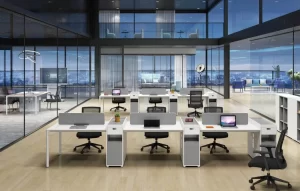
Conference Room Layout
Conference rooms come in a variety of shapes and sizes. Depending on the size of the organization, you may find:
-
Round tables for collaborative discussions
-
Modular tables for reconfiguration
-
Movable whiteboards or smart boards
-
Stackable chairs to increase capacity
Flexibility is the main theme. A conference room must quickly adapt to multiple formats—stand-up scrums in the morning, client pitch decks at noon, hybrid Zoom meetings in the evening.
Boardroom Layout
Boardrooms are typically designed with one large, commanding table at the center. The setup implies importance, formality, and exclusivity. Seating is typically fixed, with a specific hierarchy in placement—CEO at the head, directors or stakeholders in a circle of influence.
Features often include:
-
Executive-style leather chairs
-
Premium wood or glass tables
-
Built-in AV systems and speaker mics
-
Soundproofing for privacy
3. Technology & Equipment: Tools for Collaboration vs. Strategy

Conference Room Tech Stack
Conference rooms need to handle everything from team presentations to remote collaboration. So, their technology setup tends to focus on flexibility, plug-and-play tools, and easy integration.
Common tools include:
-
Wireless screen sharing
-
Video conferencing systems (Zoom, Microsoft Teams, Google Meet)
-
Smart boards or interactive whiteboards
-
Touchscreen scheduling panels
-
Occupancy sensors
The goal here is to enable collaboration across physical and virtual teams.
Boardroom Tech Stack
The boardroom tech environment tends to prioritize confidentiality, clarity, and professionalism. The equipment must be secure, high-quality, and often discreet.
Features often include:
-
High-resolution displays with secure connections
-
Encrypted conferencing tools
-
Premium microphone arrays for clear voice capture
-
Electronic voting or decision-logging systems
-
Integrated control systems (lighting, blinds, AV) via tablets
These are critical in high-stakes meetings where confidentiality and quality of communication cannot be compromised.
-
4. Use Cases: Day-to-Day Collaboration vs. Strategic Governance

When to Use a Conference Room
Conference rooms shine in day-to-day operations. Teams use them to:
-
Brainstorm marketing campaigns
-
Conduct internal training
-
Host client presentations
-
Engage in team-building sessions
-
Organize town hall meetings
-
Conduct hybrid remote meetings
In essence, these rooms are the heartbeat of organizational operations, supporting creative, sales, marketing, and HR functions.
When to Use a Boardroom
Boardrooms are more suited to executive-level functions, including:
-
Quarterly board meetings
-
Budget approvals
-
Strategic planning sessions
-
Legal reviews and governance discussions
-
Merger/acquisition talks
-
Confidential HR or compliance conversations
The boardroom is the brain center where decisions are made that shape the entire direction of the company.
5. Aesthetic and Psychological Differences: Flexibility vs. Authority

Conference Room Ambiance
Conference rooms are typically bright, open, and casual. Think glass walls, vibrant colors, modular furniture, and writable surfaces. These spaces are meant to stimulate creativity, encourage participation, and foster agility.
Design inspiration often follows modern trends:
-
Scandinavian minimalism
-
Biophilic elements (plants, natural lighting)
-
Agile-friendly layouts
-
Inspirational wall quotes or digital art
Psychologically, a well-designed conference room makes teams feel invited and energized.
Boardroom Ambiance
Boardrooms are classical and powerful. The aesthetic may include:
-
Rich wood paneling
-
Leather-bound furniture
-
Low lighting for focus
-
Subtle branding
It communicates trust, power, and confidentiality. People behave differently in a boardroom—they listen more, think deeply, and act with formality. This psychological environment is important for critical decision-making.
6. Choosing the Right Room for Your Needs: Factors to Consider
Before deciding whether you need a conference room, a boardroom, or a combination of both, consider the following:
1. Type of Organization
-
Startups and creative agencies may benefit more from versatile conference rooms.
-
Corporates, law firms, and financial institutions often require dedicated boardrooms.
2. Nature of Meetings
-
Frequent team meetings? Go with a flexible, tech-equipped conference room.
-
High-level confidential discussions? Invest in a boardroom.
3. Hybrid Readiness
Both types of rooms should now be hybrid-ready with video conferencing, but conference rooms usually carry more collaborative tech.
4. Budget & Space
-
Conference rooms are typically more affordable to set up and maintain.
-
Boardrooms require premium materials, finishes, and secure tech.
5. Image & Brand
A boardroom sends a clear message to clients and stakeholders. If your business thrives on image and investor relations, this space becomes a symbol of credibility.
Conclusion: It’s Not Either-Or—It’s About Strategic Space Planning
In a modern office, both conference rooms and boardrooms have their unique roles. One drives daily operations and teamwork. The other drives strategic leadership and direction. As hybrid work reshapes how we meet and collaborate, the lines may blur, but the intent remains distinct.
Ultimately, choosing between a boardroom and conference room—or designing both—should be guided by your team’s workstyle, organizational goals, and space utilization strategy. When well thought out, these rooms don’t just host meetings—they shape company culture and decision-making for years to come.
Need help designing your perfect meeting space?
Our experts can help you plan, design, and equip your conference rooms and boardrooms to match your exact needs—be it hybrid-ready tech, acoustics, or smart interiors.